
With the release of the new edition of Dystopian Wars sailing ever closer, there’s no better time to take a look at how our design team approached the redevelopment of the game. Our Games Development Manager, Sophie Williams, has provided a peek behind the curtain.
Sophie: “You’ve read about our approach to Victory & Valour cards, along with Damage, Disorder and Movement, to name but a few. But, with so many moving parts, how did we decide where our focus should lie? Join me as I talk a little about our game design methodology.”
Rolling in the Deep
“Before we start working on any game, let alone an existing one, we ensure that we conduct thorough research. In the case of Dystopian Wars, this meant steeping ourselves in both the setting and the game. We played loads of games of Dystopian Wars; we read supplementary material about each faction, watched playthroughs, read tactics articles, and examined Battlefleet lists. We researched the current playstyles of the game and went through as much community feedback as we could find.
And that was only step one.
The key to creating engaging games with interesting ideas is to broaden your viewpoint as far as possible. To anyone looking to make their own tabletop game, I would say this: play as many games as you can. We played games with similar themes, games with similar pacing, games with a similar aesthetic, games with new and interesting ideas, games we hadn’t heard of before, and games that have sold millions worldwide. Card games, board games, app games, computer games; you name it.
But we’re still not done yet.
We also read books, did historical research, listened to music and radio plays, watched films and TV shows. In short, we consumed as much media as we could. Not only to suffuse our collective subconsciousnesses with the themes of the Dystopian Age, but also anything we found interesting, new, cool, or that evoked the feelings we hope to inspire during gameplay.
This is akin to laying the foundations of a house: the broader and stronger our understanding of the setting, the game, the industry, and the feelings we want to evoke, the sturdier the game will be on top. In game design, it can be all too easy to rush into the process, so excited to see the final result that you find yourself with shaky foundations. And that will only make it more complicated in the long run.
“Yeah, yeah, yeah, you played a load of games, but what then, Sophie?” I hear you cry.
With this process, we set specific and focused goals, and after extensive research across the team, we identified the key element we wanted to target: making the game easier to play.
OK, OK. I hear you already telling me that was incredibly obvious. But here comes the second step. What does “easier to play” even mean? And what was making Dystopian Wars “hard” to play?
For instance, one of the first things we noticed was that the game was slow. It took a long time to play a full game. So, we dug deeper again. Why was it slow? Well, there was a lot of information there for the player to keep in mind - hundreds of bespoke Special Rules scattered across numerous rulebooks and supplements, deciding where every weapon on every ship will fire - and this is before we even get to rolling any dice. The previous edition of Dystopian Wars also front-loaded most of its activity into the first and second turns, resulting in an imbalance where the beginning of the game took significantly longer than the later stages.
By addressing just one issue—how to speed up gameplay—we identified several challenges that were built into the previous edition of Dystopian Wars.
There was a heavy mental load on the player.
The time spent each turn was uneven, causing long periods of downtime for players in the early game.
The rules for playing the game and using specific models were dense and spread across multiple locations.
The game was challenging to learn.”
Root Cause and Effect
“The reason we take this approach is that fixing a surface issue can seem quick and easy. We could have just arbitrarily said, “You can only activate three units per turn! There, we sped up the game!” But is this “fix” actually solving the root cause of the issue? And is that experience satisfying to the player? It’s easy to knee-jerk fixes, but in reality, you’ve not fixed anything. You’ve simply stacked another rule on top of another, like rickety scaffolding. And that can only go so high before it comes tumbling down.
So, we meticulously unpicked every element of the previous edition of Dystopian Wars. In the process, we also identified some other goals. We wanted to make sure the game was accessible, not just for new players, but lapsed players, or players who (like me) don’t play as many games as they would like and need to refresh their memory each time they play.”
“We also wanted to make the game feel fully embedded in the Dystopian Age. It wouldn’t make sense for massive, renowned ships to be sunk in the opening salvoes of an engagement, and we wanted to ensure they had the staying power to reflect their significance in the world they inhabit.
We wanted all the awesome, interesting stuff that had been released since the launch of the previous edition to have its day in the sun and feel more integrated into the core rules. We wanted SRS tokens to have their niche and fill it correctly, but it felt odd that they dominated the game so much when there are so many other weird and wonderful models on the table.
Each of these goals comes with a myriad of specific areas to focus on. The deeper we went, the more detailed our understanding became.
Ultimately, though, this game needed to be recognisably Dystopian Wars. So, we gathered the specific elements we wanted to address and then we prioritised: what were the most important improvements we could make, and what would most make the game feel like Dystopian Wars should?
In the end, we came up with some key things we wanted to achieve:
Reduce the mental load on the players.
Reduce the amount of time it took to play a game (especially in turns 1 and 2).
Bring the full range of miniatures into the core rules (colossi, aerial models, etc).
Make it easier for players to access and understand the game.
Maintain a high level of granularity (both in tactics, decision-making and force selection)”
Stay on Target
“So then, came a period of playing loads and loads of games. Or what I like to call, Iterative Game Development. Initially, we started by playing smaller games of Dystopian Wars, changing one element each time to address one of the core issues we had identified. Then, we would review. Did that improve the experience? Did it make it worse? Did it do what we were expecting? Was it fun?”
Testing in Progress
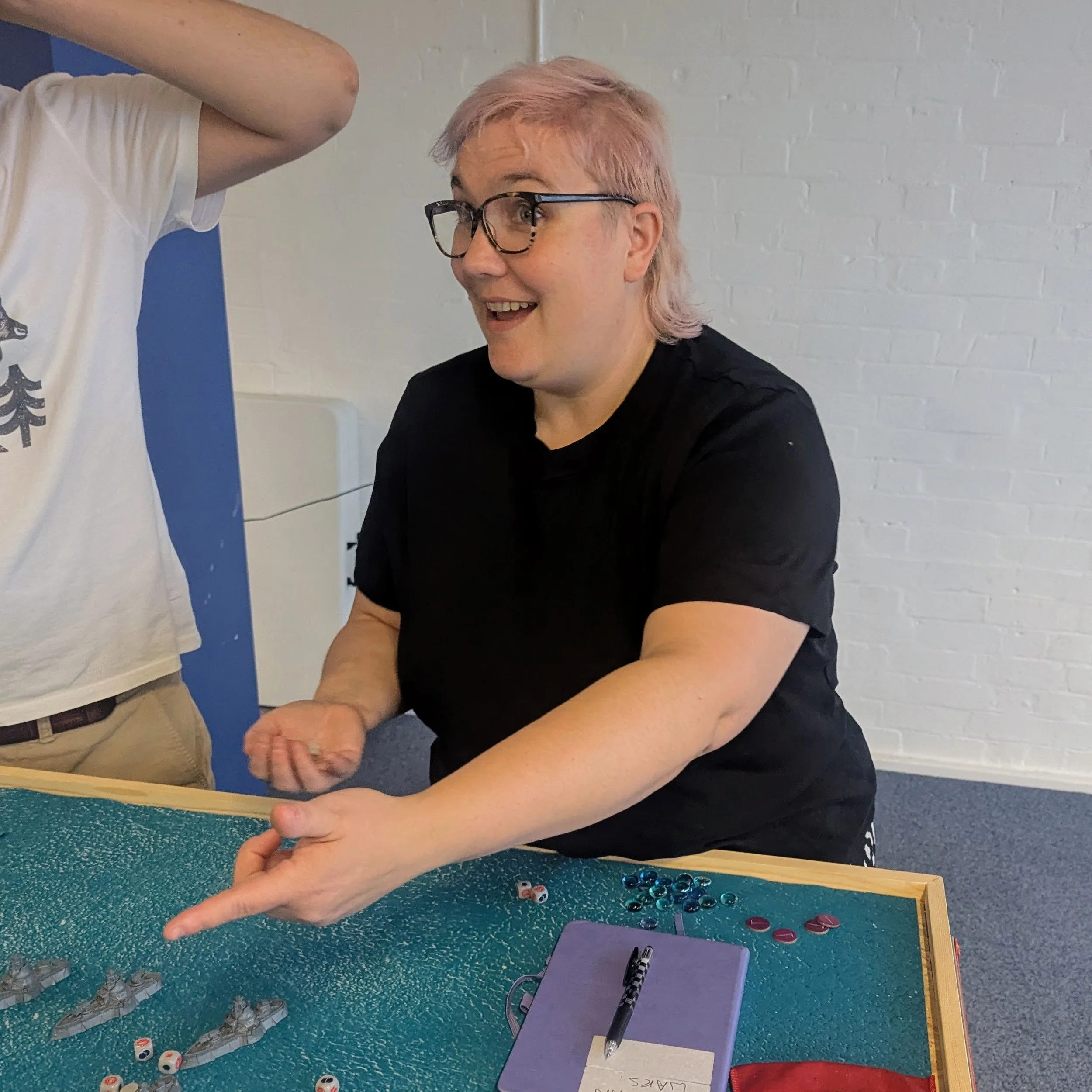
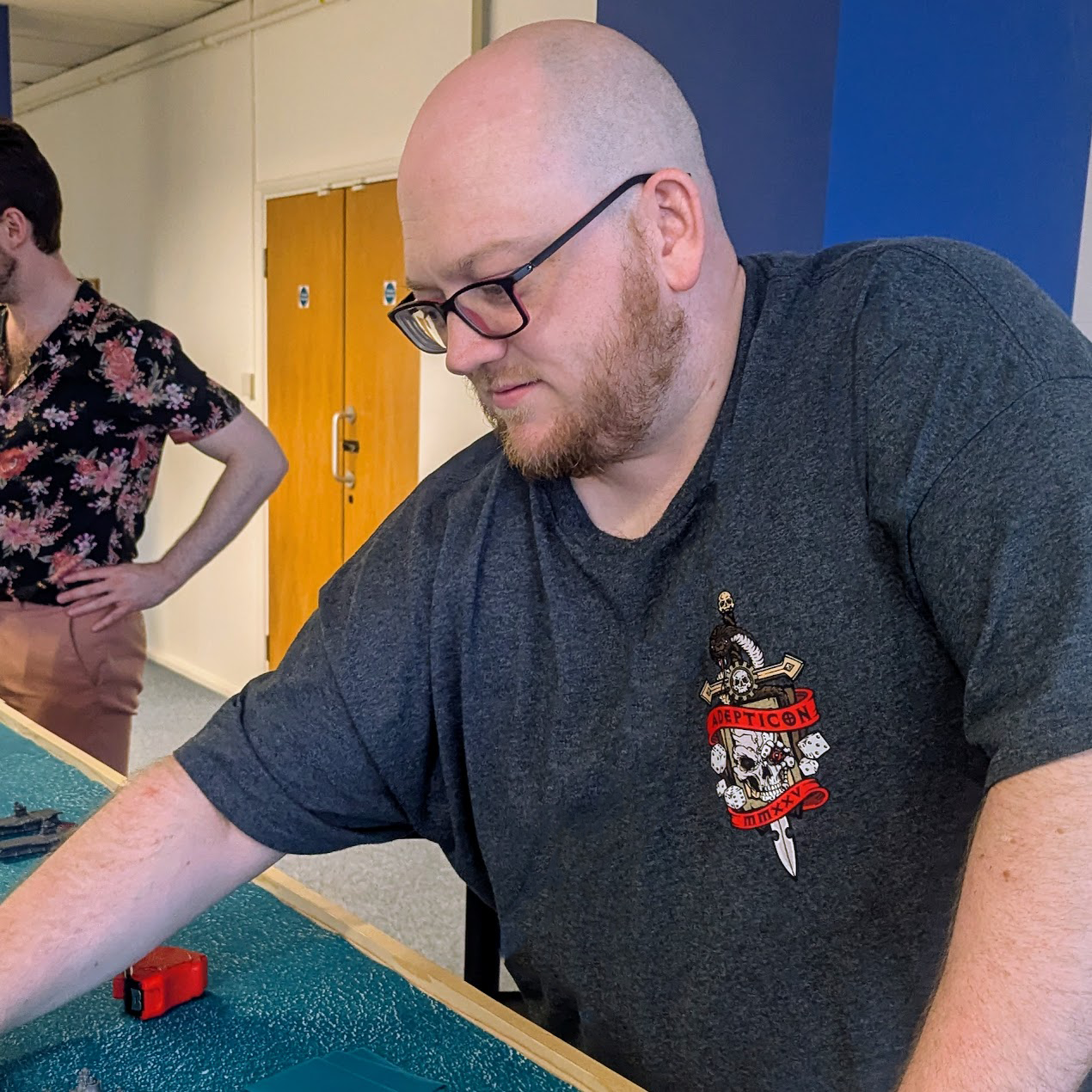
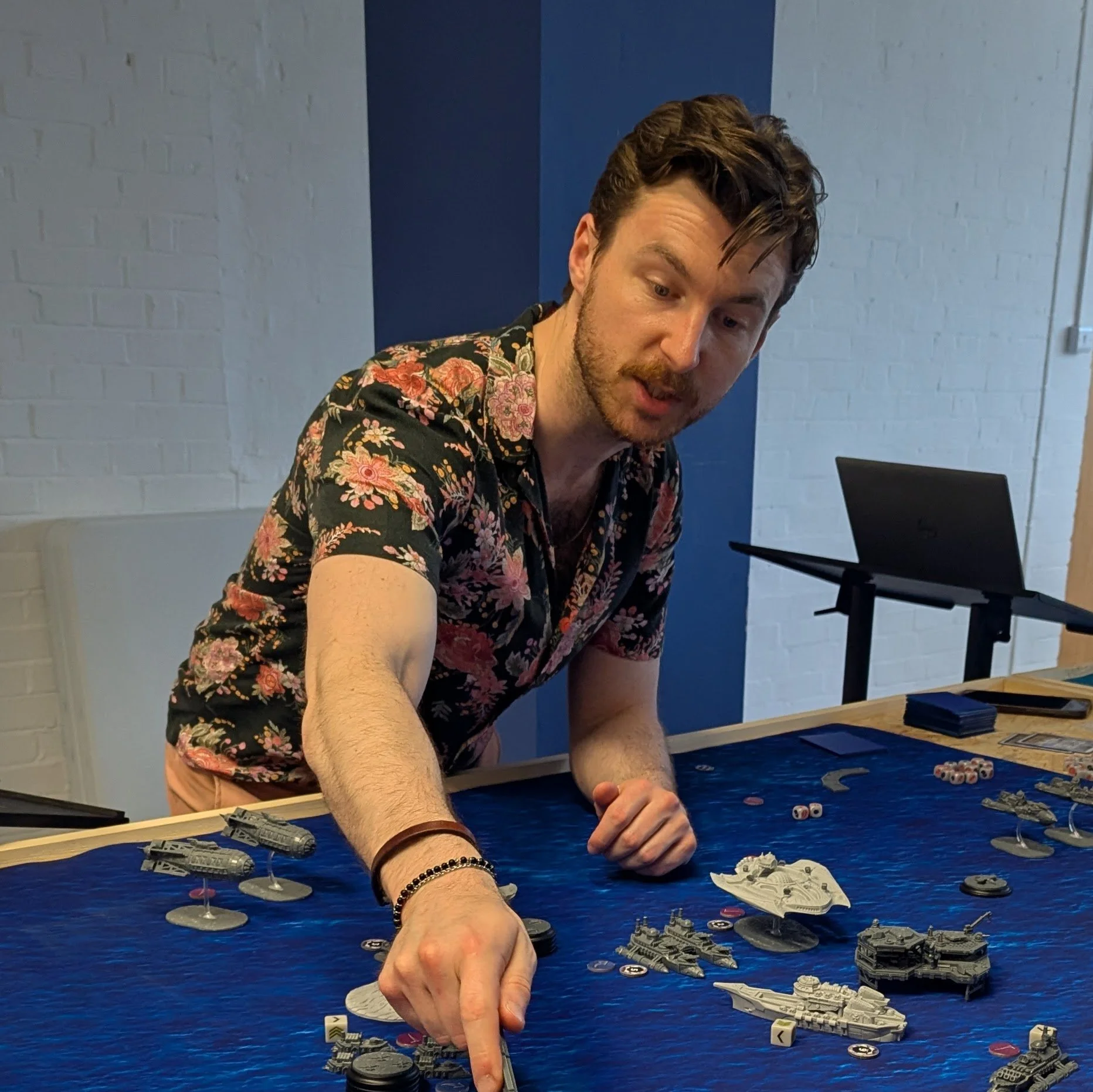
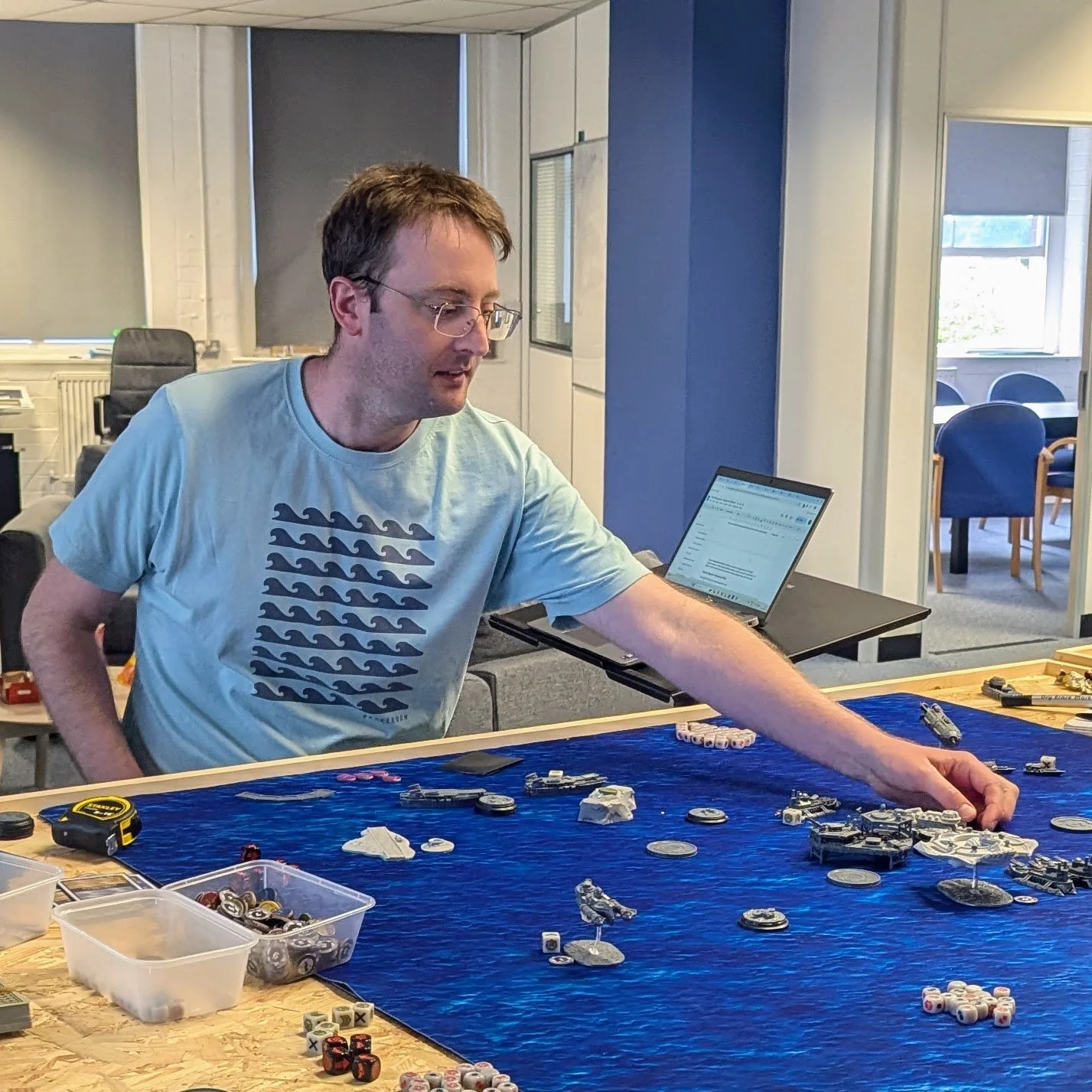
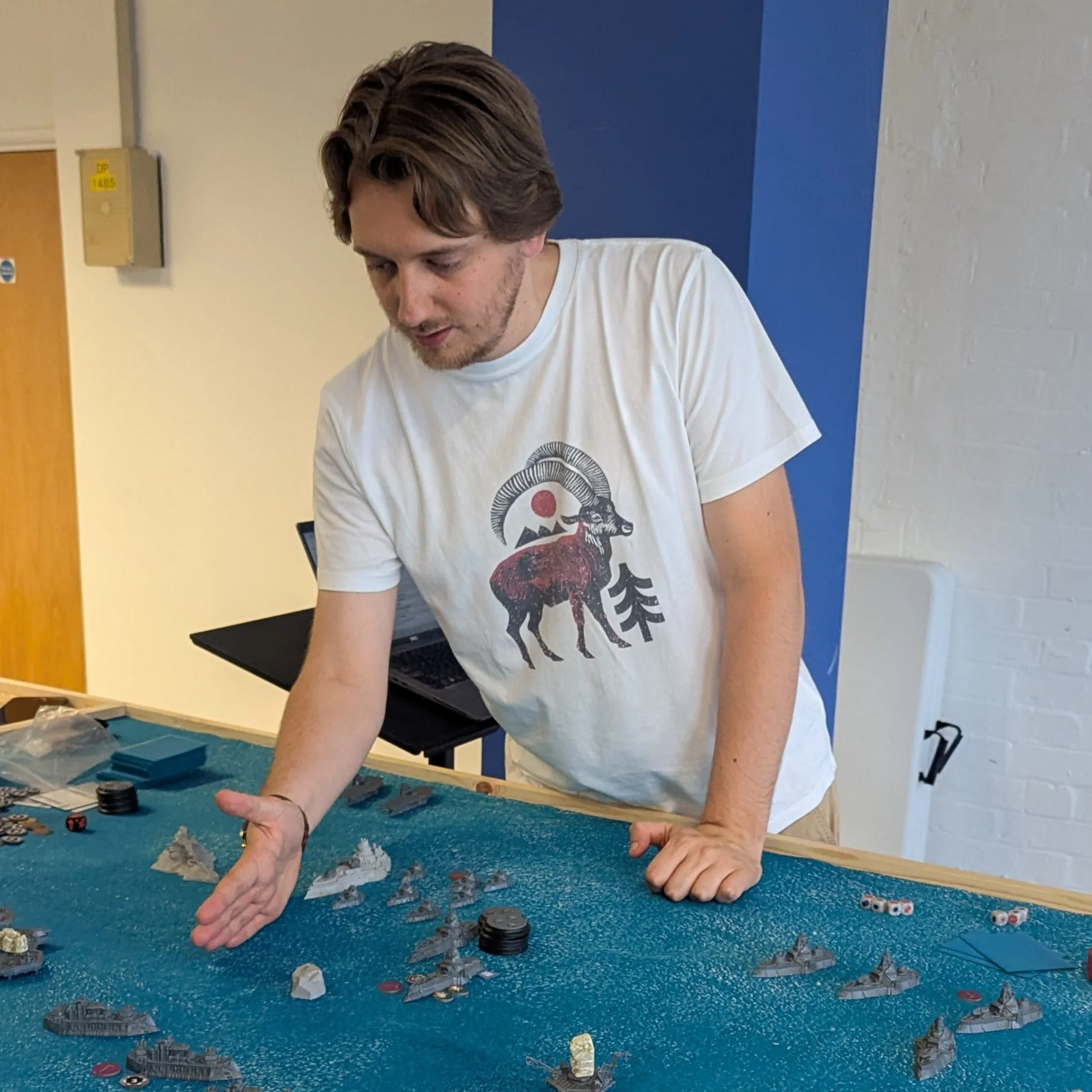
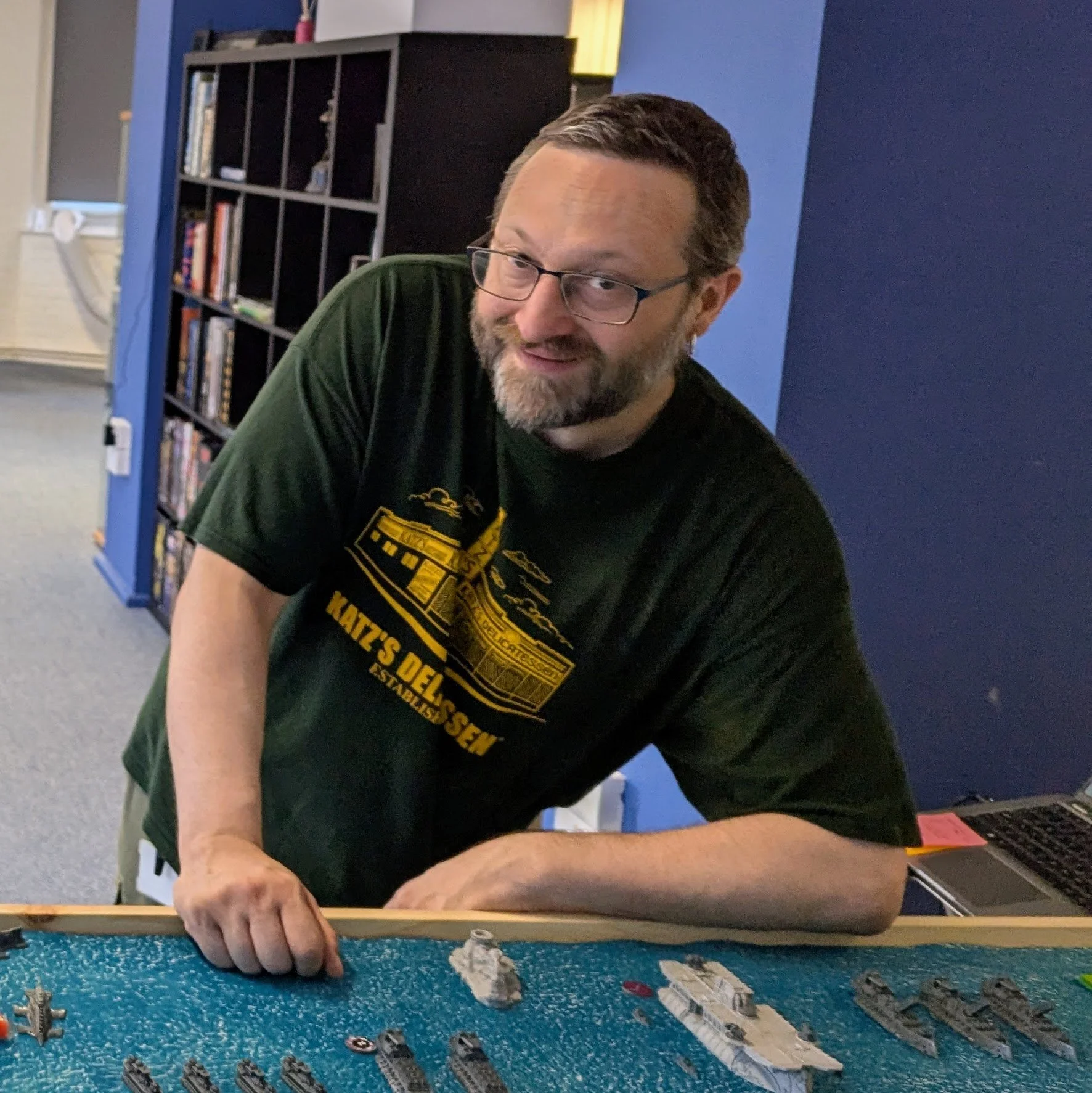
“Often, new rules or changes need refining, or tweaking, to work like we expected them to. They need to evolve over multiple playthroughs. By playing game after game, tweaking and changing as we go, we slowly created a framework of rules, similar to, but not quite the same as, what had come before.
Then, came the hardest bit. We had to compare the game we had made against the goals we’d set out to achieve. Were we doing what we said we wanted to do? Throughout this process, we were not only evolving a ruleset, but constantly checking in on the issues we identified to ensure we stayed on target. The earlier these check-ins occur, the easier it is to identify when you’re going off-course and get back on track. And by playing games over and over (and over!) again, we were able to quickly and effectively make sure the gameplay works.
Often, we had to completely change something we loved because it just didn’t work. We murdered our darlings daily. We found things that worked. Things that didn’t. Brick by brick, we laid down the walls of our metaphorical house. Because the secret to game design isn’t the rules. The truth is that rules are relatively easy to write.
It’s doing the work. Testing and tweaking and testing again, all the while checking in with your goals and making sure you’re heading in the right direction. That’s the secret sauce.“
A Great Result
“We’ve done a lot of work on Dystopian Wars, streamlining the experience without losing the detail and keeping the Dystopian Age at the centre of the game. In previous blogs, you can see some of the details of what has come of that work. And while there are still more details to come, and more than a few surprises, what I can tell you is that we’ve worked incredibly hard on this new edition.
And I can’t wait for you to see it.“
Sophie Williams